
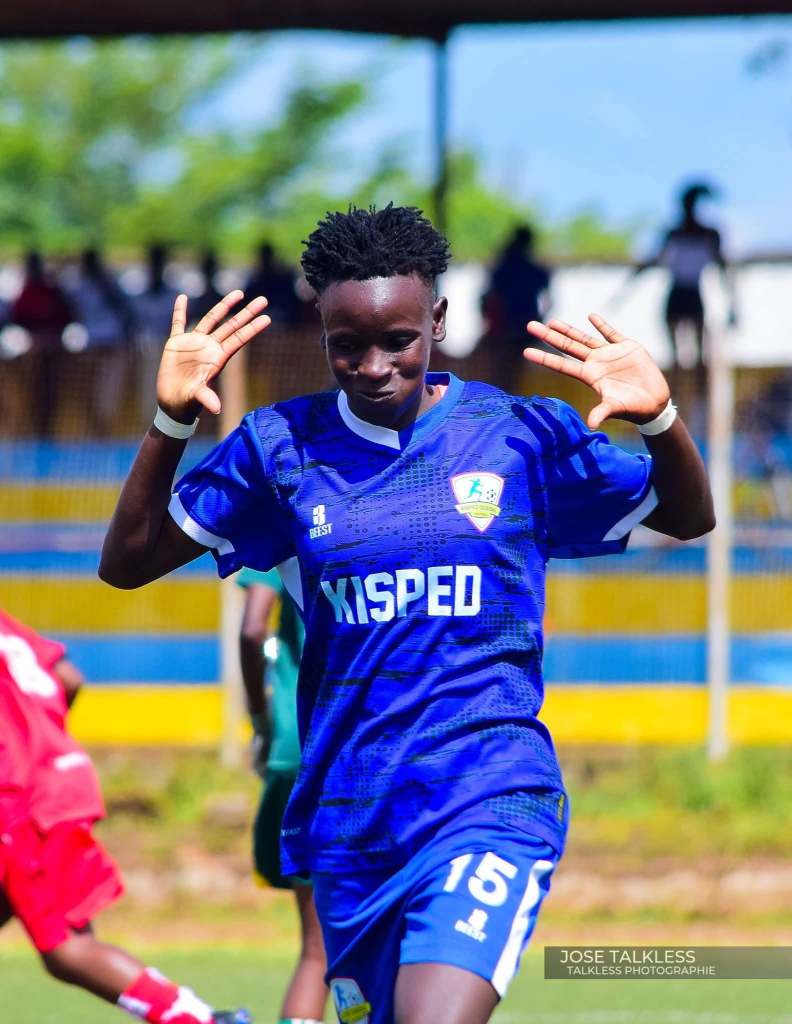
Sport is often described as a universal language that brings people together. Football, in particular, has the power to unite communities, create opportunities, develop talent, and give young people a sense of belonging. But an important question remains: does everyone have an equal opportunity to participate, compete, and belong in sport?Behind the excitement of football and other sporting disciplines, many athletes continue to encounter barriers related to gender, disability, economic circumstances, culture, religion, and sexual orientation or gender identity. These barriers raise important questions about equality, human rights, safeguarding, and mental health in sporting spaces.Inclusion must therefore mean more than allowing someone to join a team. It must mean creating an environment where people can develop their abilities, access opportunities, and participate without discrimination or fear.Inclusion Is More Than Being Allowed to PlayA player may be permitted to register for a club but still experience discrimination in the changing room, during training, or when opportunities for career progression arise. Another athlete may have the talent to compete but lack the financial resources to afford transport, equipment, or accommodation.These examples demonstrate that access and inclusion are not the same thing.Genuine inclusion requires sporting organizations to examine the conditions under which athletes participate. Are selection processes fair? Can players report harassment without fear of retaliation? Are women and girls supported to pursue professional careers? Can athletes with disabilities access appropriate facilities? Do people from different backgrounds have opportunities to become coaches, referees, administrators, and leaders?FIFA’s human rights framework and anti-discrimination initiatives provide an important foundation for addressing these questions. However, international commitments must translate into practical action at national federation, league, and club levels.The real measure of inclusion is not simply who enters the pitch. It is who can remain, develop, progress, and participate with dignity.What Do International Sporting Principles Say?International sporting organizations increasingly recognize the importance of human rights, equality, and athlete welfare. These principles challenge sports institutions to consider how their rules, decisions, and practices affect the people who participate in their competitions.For football, this responsibility extends to federations, clubs, coaches, match officials, supporters, and league administrators.Anti-discrimination policies should clearly identify prohibited conduct. Safeguarding systems should provide accessible reporting channels. Complaints should be handled fairly and confidentially, and disciplinary decisions should follow established procedures.At the same time, inclusion must be considered alongside legitimate sporting requirements. Eligibility, safety, age, and competition rules should be transparent, evidence-based, and fairly applied.The objective is not to eliminate sporting standards. It is to ensure that standards are applied consistently and that prejudice, harassment, and arbitrary treatment do not become barriers to participation.A policy alone cannot create an inclusive sporting environment. Its value depends on how it is implemented, monitored, and enforced.https://legal.fifa.com/en/campaigns/no-discrimination  The Kenyan Context: Culture, Religion, and IdentityIn Kenya, sport operates within a social environment shaped by culture, religion, economic realities, gender expectations, and the country’s legal framework.These factors can influence who participates in sport, how athletes are treated, and which opportunities are available to them.Women and girls may face expectations about the sports they should play or whether professional sport should be a priority. Athletes from low-income households may struggle with transport, equipment, and other participation costs. People with disabilities may encounter inaccessible facilities or limited opportunities to compete.LGBTIQ athletes may also face stigma, harassment, pressure to conceal their identities, or exclusion from sporting spaces.These experiences differ from person to person, and no single account represents every athlete. Nevertheless, they demonstrate why inclusion requires attention to the specific barriers people encounter.Kenya’s Constitution provides important principles for this discussion. Article 27 addresses equality and freedom from discrimination, while Article 28 protects human dignity. How these principles apply to a particular sporting dispute depends on the relevant facts, laws, and institutional rules.Culture and religion also deserve thoughtful engagement. They are important parts of many people’s lives, and communities contain diverse beliefs and interpretations. Promoting inclusion does not require everyone to hold the same beliefs. It requires sporting institutions to establish fair standards of conduct, address harmful behavior, and protect the dignity of participants.The question is not whether everyone must agree on every social issue. It is whether differences can be addressed without denying people fair opportunities to participate in sport.  LGBTIQ Inclusion: Who Gets to Belong?For LGBTIQ athletes, inclusion can involve challenges that spectators may never see.A player may perform well on the pitch while worrying about how teammates, coaches, supporters, or officials might respond to their identity. Another may experience discriminatory comments or feel unable to report harassment because of concerns about privacy or possible consequences.Not every LGBTIQ athlete has the same experience. Some find supportive clubs and communities, while others encounter significant barriers. However, the possibility of discrimination can affect whether athletes feel safe and accepted.Sporting institutions should distinguish between legitimate eligibility requirements and discriminatory behavior. Where eligibility questions arise, they should be addressed through applicable sporting rules, appropriate evidence, and fair procedures not through humiliation, harassment, or assumptions about an athlete’s identity.Inclusion also means recognizing athletes as people with ambitions beyond competition. They may wish to become coaches, sports administrators, referees, journalists, physiotherapists, or leaders within their federations.An athlete’s identity should not automatically determine whether they are considered capable of contributing to these roles.For grassroots clubs, meaningful steps include establishing codes of conduct, protecting private information, training coaches, and creating confidential channels for reporting discrimination.For federations, the responsibility also includes reviewing selection procedures, safeguarding systems, disciplinary processes, and club licensing requirements.No athlete should have to carry the entire burden of protecting themselves from discrimination simply because a sporting institution has failed to address it.Inclusion and Mental Health: The Cost of ExclusionSport can support physical health, confidence, social connection, and psychological well-being. However, these benefits depend partly on the environment in which people participate.Consider two sporting environments. In one, athletes can make mistakes, ask for support, raise concerns, and trust that they will be treated fairly. In another, they fear humiliation, bullying, exclusion, or retaliation for speaking up.Both environments may produce talented players, but they offer very different experiences.For athletes who already face stigma outside sport, exclusion from a team can mean losing more than a place to train. It may also mean losing friendships, a source of income, a support network, or an important sense of belonging.The International Olympic Committee’s work on mental health in elite athletes highlights the importance of addressing the conditions in which athletes train and compete, including harassment, abuse, and barriers to support.This does not mean every sporting disappointment causes mental health difficulties. Competition naturally involves pressure, injuries, selection decisions, and setbacks. The concern is whether preventable discrimination and unsafe environments add further burdens.Clubs and federations can help by training coaches to recognize distress, establishing appropriate mental health referral pathways, protecting athletes who report misconduct, and ensuring that support services are accessible and respectful.Athletes should not have to choose between protecting their well-being and pursuing their sporting ambitions.  When Inclusion Policies Exist but Practice Falls ShortOne of the challenges facing sport is the gap between institutional commitments and athletes’ everyday experiences.A club may have a safeguarding policy but no accessible reporting system. A federation may promote equality while players remain uncertain about how complaints are handled. A team may celebrate diversity publicly but fail to challenge discriminatory behavior in its changing rooms.This gap makes accountability essential.Sporting institutions must ask difficult questions. Are complaints investigated impartially? Are disciplinary decisions consistent? Are players informed of their rights? Are coaches held accountable for misconduct? Can athletes challenge decisions without fear of retaliation?These questions cannot be answered through public statements alone. They require transparent procedures, meaningful consultation, adequate resources, and a willingness to learn from athletes.Inclusion is not a one-time achievement. It is an ongoing responsibility that must be reflected in leadership, budgets, training, safeguarding, and everyday decision-making.What Needs to Change?Building inclusive sporting environments requires practical action from everyone involved.Clubs and coaches should establish clear codes of conduct, challenge bullying, apply selection criteria fairly, protect athletes’ privacy, and create safe channels for raising concerns. Coaches should receive appropriate training on safeguarding, discrimination, and athlete well-being.Federations and league organizers should develop accessible policies, establish impartial complaint procedures, monitor reported incidents, and ensure that disciplinary processes are fair. They should also examine whether safeguarding and club licensing requirements are implemented in practice.Governments and development partners should invest in affordable facilities, grassroots programs, women’s sport, disability access, mental health services, and community initiatives that reduce financial barriers to participation.Athletes and supporters can help by challenging abusive behavior, respecting personal boundaries, supporting teammates who experience discrimination, and recognizing that competitive rivalry does not justify harassment.Athletes should also participate in designing the policies that affect them. Their experiences can help institutions identify gaps that may not be visible from an administrative office.Progress should be measured through more than participation numbers. Organizations should consider athlete retention, access to leadership, the handling of reported incidents, and whether participants feel safe and supported.The goal is not to make every athlete’s experience identical. It is to ensure that preventable discrimination does not stop people from participating and developing their abilities.What Community Football Can Teach UsCommunity football demonstrates how sport can become a pathway to friendship, personal development, livelihoods, and professional opportunities.For organizations using sport for social development, the responsibility extends beyond organizing matches. It includes creating safe spaces, supporting athletes’ development, strengthening livelihoods, and building pathways into coaching, administration, and other careers.The experience of community-led initiatives such as KISPED Kenya highlights the importance of considering who can access these opportunities and what support athletes need to remain in sport and progress.When community programs work with athletes who face barriers related to identity, economic circumstances, or social exclusion, they can help demonstrate that talent exists across communities.However, community organizations cannot solve systemic problems alone. Federations, clubs, public institutions, sponsors, and development partners all have responsibilities.Separate safe spaces can be essential for people who experience exclusion, but the wider sporting system must also become safer and fairer. Inclusion should not depend entirely on a small number of community organizations filling gaps left by mainstream institutions.The long-term ambition should be a sporting environment where athletes have fair access to opportunities, differences are handled respectfully, and everyone knows how to seek help when something goes wrong.  Conclusion: Who Gets to Play?The question of who gets to play is ultimately a question about the sporting culture we want to build.Do we want sport to be defined only by competition, trophies, rankings, and commercial success? Or do we also want it to be a space where dignity, fairness, safety, and human potential matter?These goals do not have to compete with one another. Athletes can pursue excellence in environments that take safeguarding and inclusion seriously. Clubs can uphold sporting standards while treating participants with respect. Federations can protect the integrity of competition while addressing discrimination and ensuring fair procedures.Achieving these outcomes requires more than good intentions. It requires clear policies, consistent enforcement, responsible leadership, adequate resources, and the willingness to listen when athletes describe experiences that challenge established practices.In Kenya and beyond, the future of inclusive sport will depend partly on whether institutions are willing to examine their own barriers not only those that exist outside the stadium.Football belongs to the communities that play it, support it, and build their lives around it. Its promise of bringing people together becomes more meaningful when people are not required to hide, endure abuse, or surrender their dignity simply to participate.Perhaps the most important question is not whether everyone can be made the same, but whether everyone can be given a fair opportunity to play, contribute, and belong.Because the real test of inclusion is not what a sporting institution says about equality. It is what happens to the person who needs that equality most.Published by: KISPED KenyaCommentLike  You can also reply to this email to leave a comment. |


Leave a Reply