By KISPED
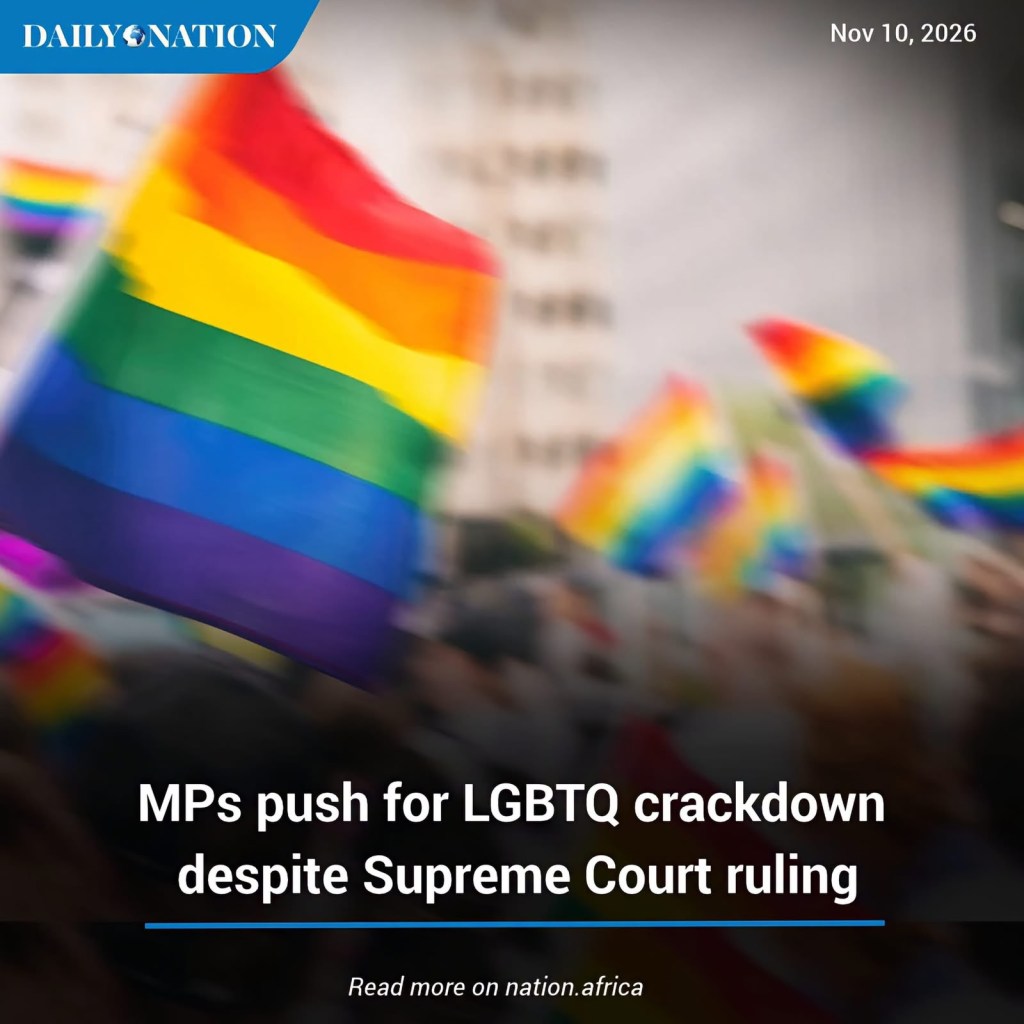
The recent headlines about a parliamentary committee pushing for a nationwide crackdown on LGBTIQ people in Kenya should concern anyone who believes in equality, human dignity, freedom of association and the right of every person to participate in society without fear.
At first glance, this may appear to be another political and legal debate about sexuality, morality and the interpretation of the law. However, its implications extend far beyond Parliament and the courtroom. They reach into communities, workplaces, educational institutions, civil society organisations and, importantly, sporting spaces.
For KISPED, this conversation presents an important opportunity to ask a fundamental question: What happens to LGBTIQ organising, visibility, participation and safety when political institutions increasingly promote policies and rhetoric that position an already marginalised population as a problem that needs to be controlled?
A worrying direction for LGBTIQ organising in Kenya
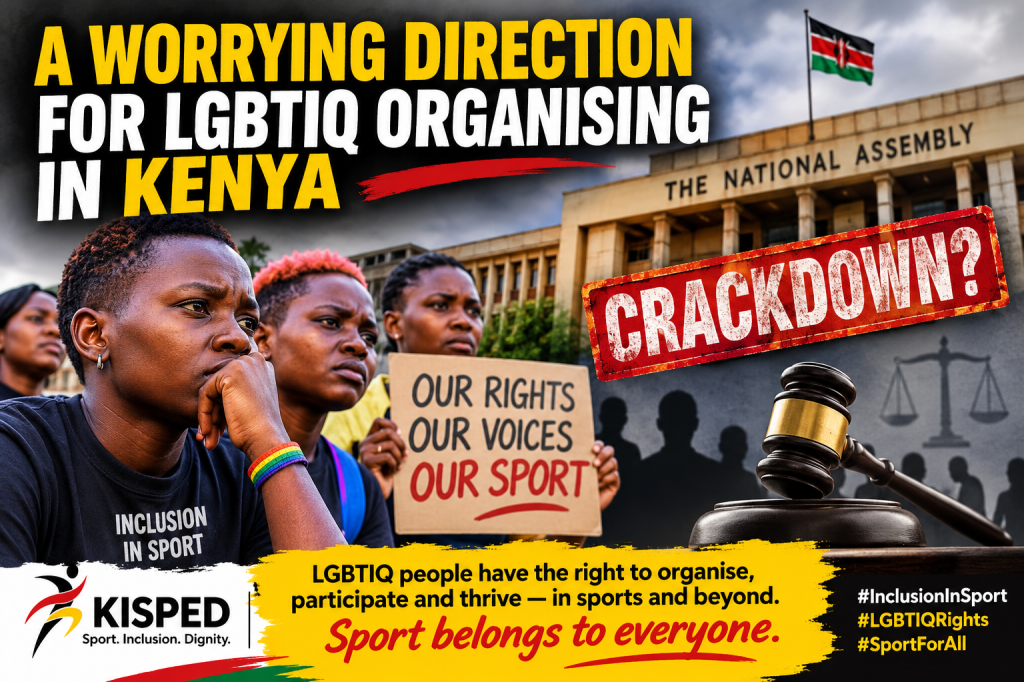
The National Assembly Committee on Public Petitions has recommended that the Ministry of Interior strictly enforce sections 162, 163 and 165 of the Penal Code in relation to same-sex conduct.
This recommendation comes despite the Supreme Court’s landmark 2023 decision affirming the right of LGBTIQ people to freedom of association and finding that refusing to register an organisation simply because of the sexual orientation of its members was unconstitutional.
Although the parliamentary committee’s recommendations have not yet become law, the political message and potential consequences cannot be ignored.
For LGBTIQ organisations, community-based groups and human-rights defenders, such developments could create an increasingly difficult operating environment.
Organisations may face increased scrutiny, public hostility, administrative challenges, intimidation and questions about the legitimacy of their work. Community members may become more reluctant to participate in activities, attend meetings, seek support or publicly associate with organisations working on LGBTIQ rights.
There is also the risk of shrinking civic space. When political rhetoric frames LGBTIQ organising as something suspicious or threatening to society, it becomes easier to justify discrimination, silence community voices and undermine legitimate human-rights work.
We must remember that LGBTIQ organisations are not simply advocacy structures. They provide essential community support, information, referrals, protection, leadership development, social connection and platforms through which people can participate in decisions affecting their lives.
Weakening these organisations ultimately weakens the communities they serve.
What does this mean for LGBTIQ people in sports?
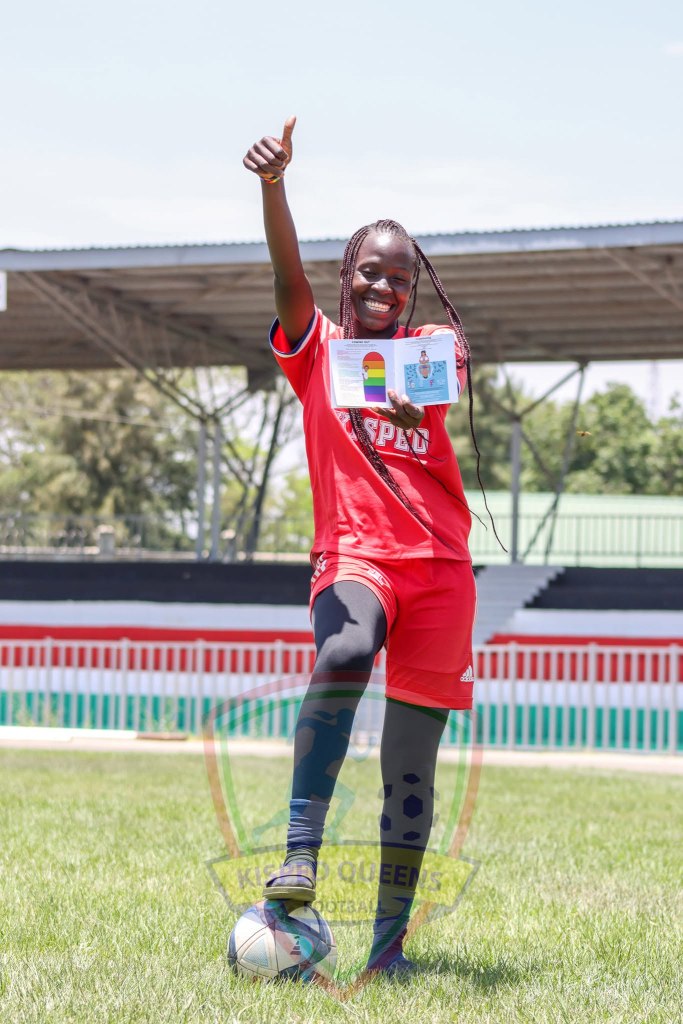
One area that deserves greater attention in this debate is sport.
Sport is often described as a universal language that brings people together regardless of background, identity, gender, social status or economic circumstances. It is supposed to provide opportunities for participation, talent development, teamwork, leadership and personal growth.
But for many LGBTIQ people, sporting environments do not always reflect these ideals.
Athletes, coaches, referees, trainers, sports administrators and other sporting professionals may already experience exclusion, bullying, discrimination, harassment and pressure to conceal their identities.
An increasingly hostile political and social environment could make these experiences worse.
1. Fear and invisibility among LGBTIQ athletes
When public conversations increasingly portray LGBTIQ identities as unacceptable, athletes may feel pressured to hide who they are to protect their careers, personal safety and relationships with teammates.
Some may avoid joining clubs, registering with sporting organisations or participating in competitions because they fear being exposed, questioned or discriminated against.
This creates a sporting environment where talent and potential are lost because people do not feel safe enough to participate.
2. Increased discrimination in sporting institutions
Sports federations, clubs, schools and community sports organisations have a responsibility to provide safe and fair opportunities for participation.
However, when discriminatory attitudes become normalised in public discourse, they can influence how institutions treat LGBTIQ participants.
There is a risk of exclusion from teams, unfair treatment during selection, harassment in training environments and discrimination in access to sporting facilities and opportunities.
Sport should not become another institution where people must prove that their identities are acceptable before they can participate.
3. Threats to LGBTIQ sports organising
Community sports initiatives can be powerful tools for building confidence, leadership, solidarity and social inclusion.
For LGBTIQ communities, these initiatives can also provide safer opportunities for social connection, physical wellbeing and collective empowerment.
But if organising around LGBTIQ identities becomes increasingly stigmatised, community-led sports initiatives may face additional challenges in securing venues, partnerships, funding, public support and institutional recognition.
This could particularly affect grassroots initiatives that rely on community trust and safe spaces.
4. Mental wellbeing and the right to participate
Sport is more than competition. It can support physical health, mental wellbeing, social connection and a sense of belonging.
When people experience rejection or hostility in sporting environments, they may withdraw from activities that otherwise contribute positively to their lives.
No athlete should have to choose between personal safety and the opportunity to pursue their sporting ambitions.
The danger of turning sport into a space of exclusion
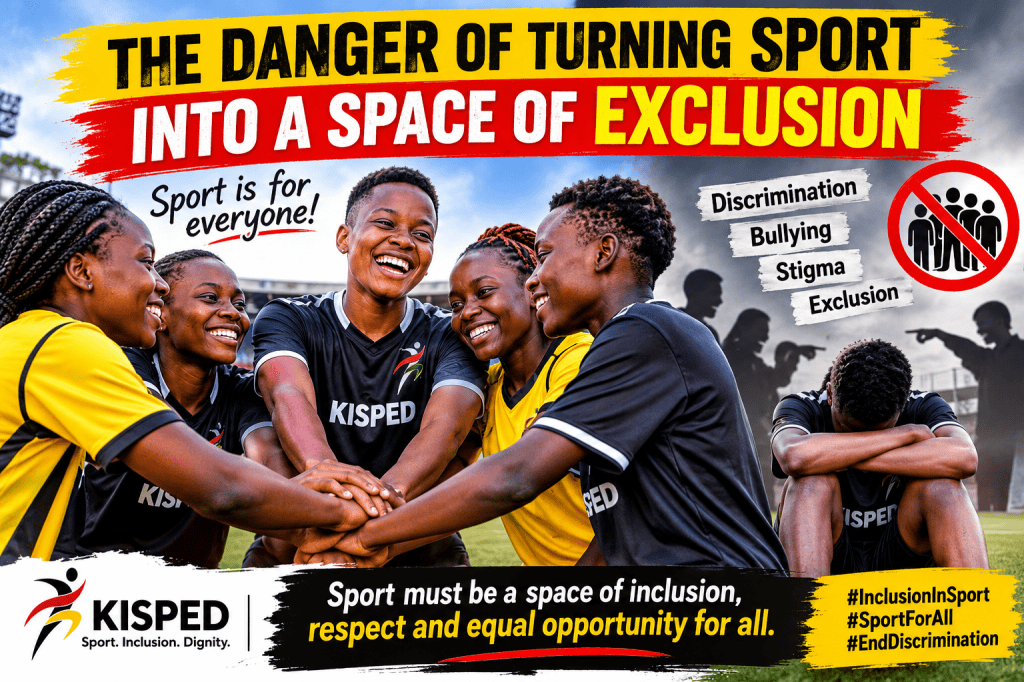
KISPED believes that sport must remain a space where every person can participate with dignity and respect.
Sporting institutions should not become extensions of political or social hostility towards marginalised communities.
The principles of fairness, respect, integrity and inclusion must apply to everyone.
This requires sports organisations to reflect critically on their policies and practices.
Do existing safeguarding policies adequately address discrimination based on sexual orientation and gender identity?
Are coaches and sports administrators equipped to manage discrimination and bullying?
Can LGBTIQ athletes safely report harassment without fear of being exposed or victimised?
Are community sports programmes accessible to people who may not feel welcome in mainstream sporting environments?
These are not abstract questions. They concern the everyday experiences of people who want to participate in sport, develop their talents and contribute to their communities.
What should happen next?
The current developments should encourage renewed conversations about protecting civic space, strengthening community organising and promoting inclusion in sport.
KISPED calls for:
1. Respect for constitutional rights and the rule of law. Public institutions must respect judicial decisions, constitutional protections and the dignity of all Kenyans.
2. Protection of LGBTIQ community organisations. Organisations working to advance equality, safety, health and social inclusion must be able to operate without intimidation or arbitrary restrictions.
3. Inclusive sporting policies. Sports federations, clubs and community organisations should strengthen anti-discrimination, safeguarding and inclusion policies to ensure that everyone can participate safely.
4. Accountability from sporting institutions. Sports leaders, coaches and administrators must actively challenge bullying, harassment and discrimination rather than remain silent when these occur.
5. Meaningful engagement with LGBTIQ communities. Policies affecting LGBTIQ people should not be developed through conversations that exclude the very people whose lives are affected. Their experiences, expertise and perspectives must be heard.
6. Stronger collaboration. Human-rights organisations, sports stakeholders, community leaders and development partners should work together to protect inclusion and create safer sporting environments.
Our position: Sport belongs to everyone
The debate unfolding in Kenya is bigger than a parliamentary committee report. It raises fundamental questions about whose rights are protected, whose voices are heard and who gets to participate fully in society.
For LGBTIQ people, the consequences could extend into almost every aspect of everyday life, including their ability to organise, access services, build relationships, participate in public life and pursue sporting ambitions.
We must resist the idea that some people deserve fewer opportunities because of who they are.
At KISPED, we believe that sport has the power to challenge stigma, build bridges and create opportunities for people who are often pushed to the margins. But this potential can only be realised when sporting spaces are safe, accessible and inclusive.
The right to participate in sport should not depend on sexual orientation or gender identity. An athlete’s talent, dedication and contribution should never be overshadowed by prejudice.
As Kenya continues to debate LGBTIQ rights, we must ensure that inclusion does not disappear from our sporting fields, community spaces and institutions.
A country cannot claim to promote fairness in sport while tolerating discrimination against the very people who want to participate. Sport belongs to everyone. Inclusion is not a favour; it is a commitment to human dignity, equality and respect.
— KISPED


Leave a Reply